76th Independence Day: 15 August 2023
Architect Shrawan Azagalle | 15 July 2023

On August 15, 1947, India gained its independence from British colonial rule. This marked the end of a long struggle for freedom led by prominent leaders like Mahatma Gandhi, Jawaharlal Nehru, and many others. India's Independence Day is celebrated annually on August 15th to commemorate this historic event. In 2023, India will be celebrating its 76th Independence Day. The day holds immense significance for the country as it reflects on its journey of progress, unity, and resilience since gaining independence. It is a time to honor the sacrifices made by freedom fighters and express gratitude for the hard-fought freedom. On Independence Day, the Prime Minister of India typically hoists the national flag at the Red Fort in Delhi and addresses the nation. The event is attended by dignitaries, government officials, and thousands of citizens. The celebrations also include cultural programs, parades, and patriotic songs. It is an occasion for Indians to come together, regardless of their diverse backgrounds, and reaffirm their commitment to the ideals of democracy, secularism, and unity in diversity. Independence Day serves as a reminder of the values and principles on which modern India was built. As India celebrates its Independence Day in 2023, it is an opportunity for the nation to reflect on its accomplishments, acknowledge ongoing challenges, and look ahead towards a brighter future. The day symbolizes the indomitable spirit and resilience of the Indian people and their unwavering commitment to freedom, progress, and national development. .
1. Midnight Declaration
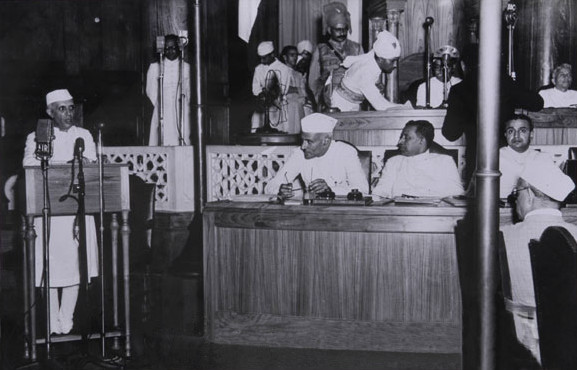
India's independence was declared at midnight on August 15, 1947. The first Prime Minister of India, Jawaharlal Nehru, gave a historic speech known as the "Tryst with Destiny" from the ramparts of the Red Fort in Delhi, marking the end of British colonial rule.
2. Partition of India
Independence Day also marked the partition of India, leading to the creation of two separate nations: India and Pakistan. Pakistan was established as a separate country for Muslims, while India remained a secular nation.
3. National Flag Hoisting
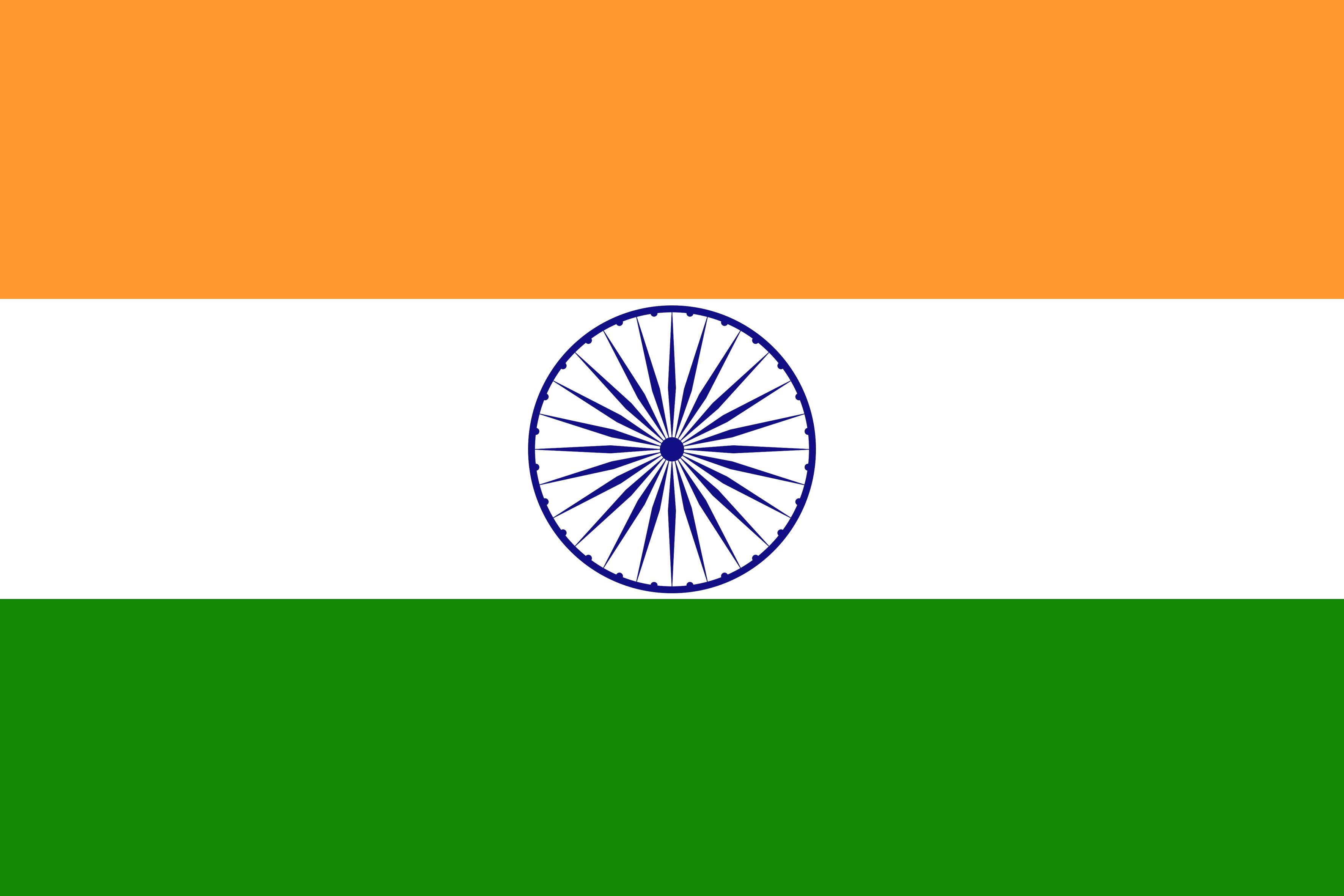
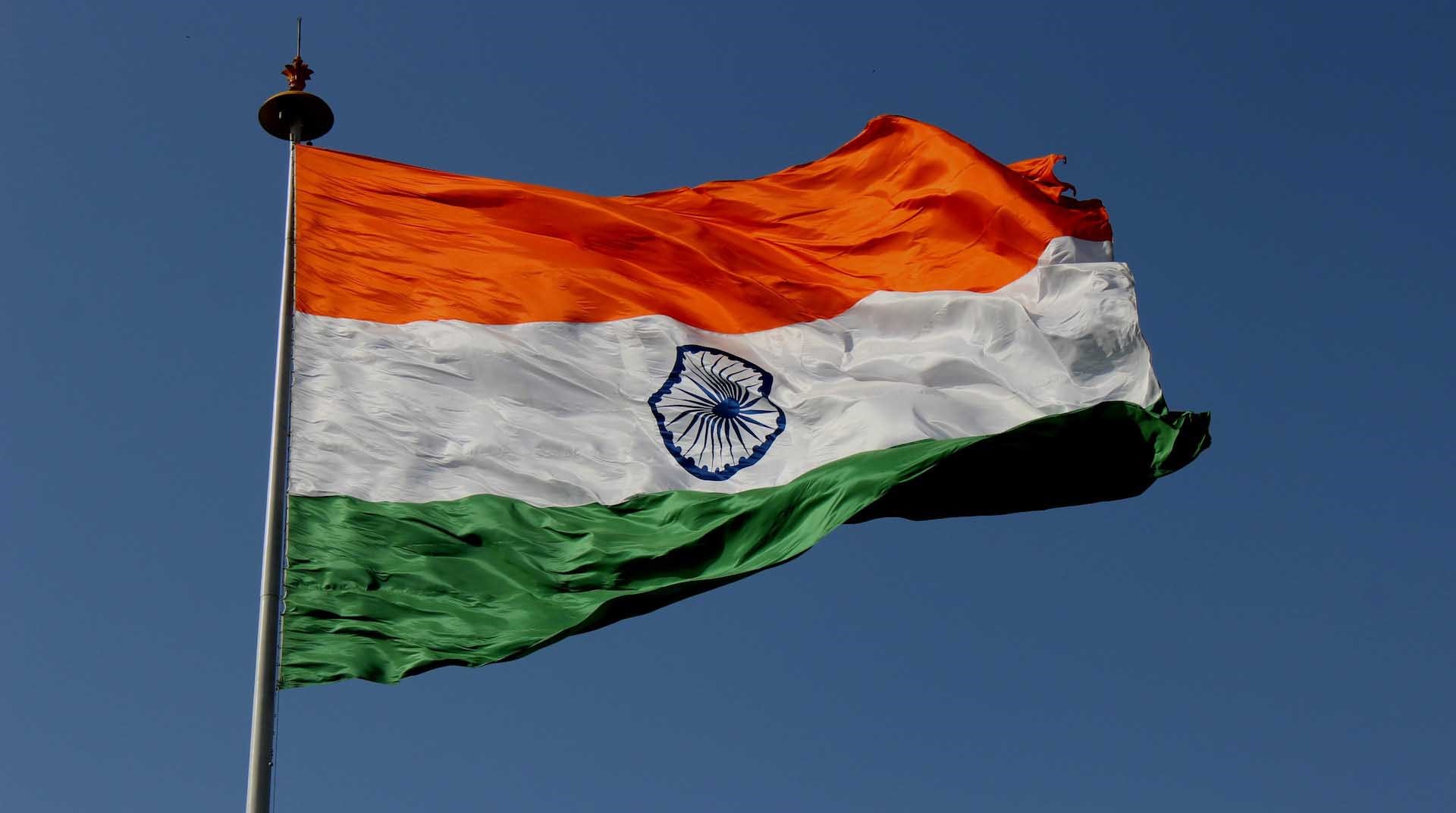
The national flag of India, also known as the Tiranga, was hoisted for the first time on August 15, 1947. The flag consists of three horizontal stripes of saffron, white, and green, with a navy blue Ashoka Chakra (wheel) in the center..
4.National Anthem
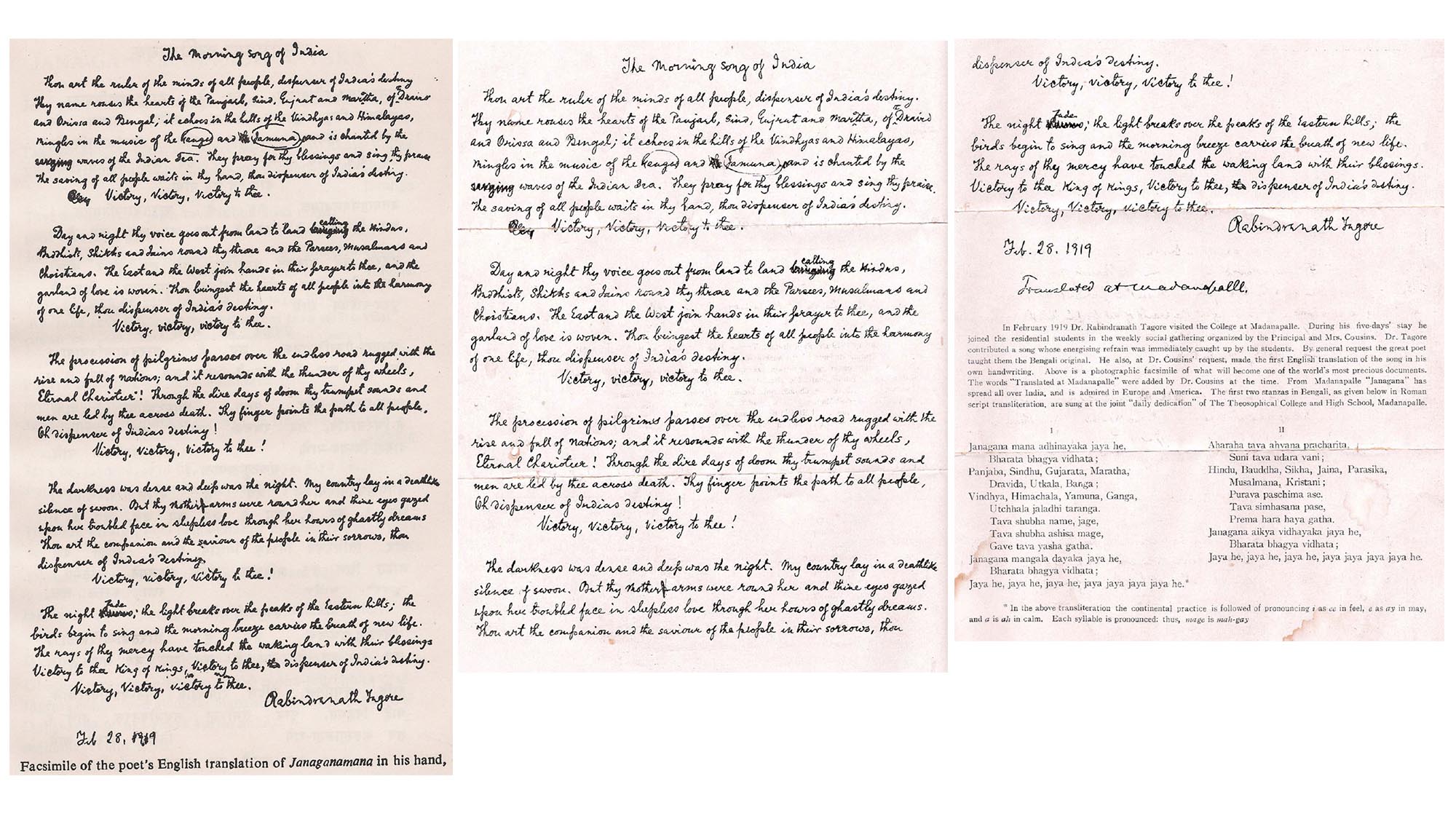
The national anthem of India, "Jana Gana Mana," was officially adopted on January 24, 1950, but it was sung for the first time during the Independence Day celebrations in 1947.
5. Mahatma Gandhi's Absence
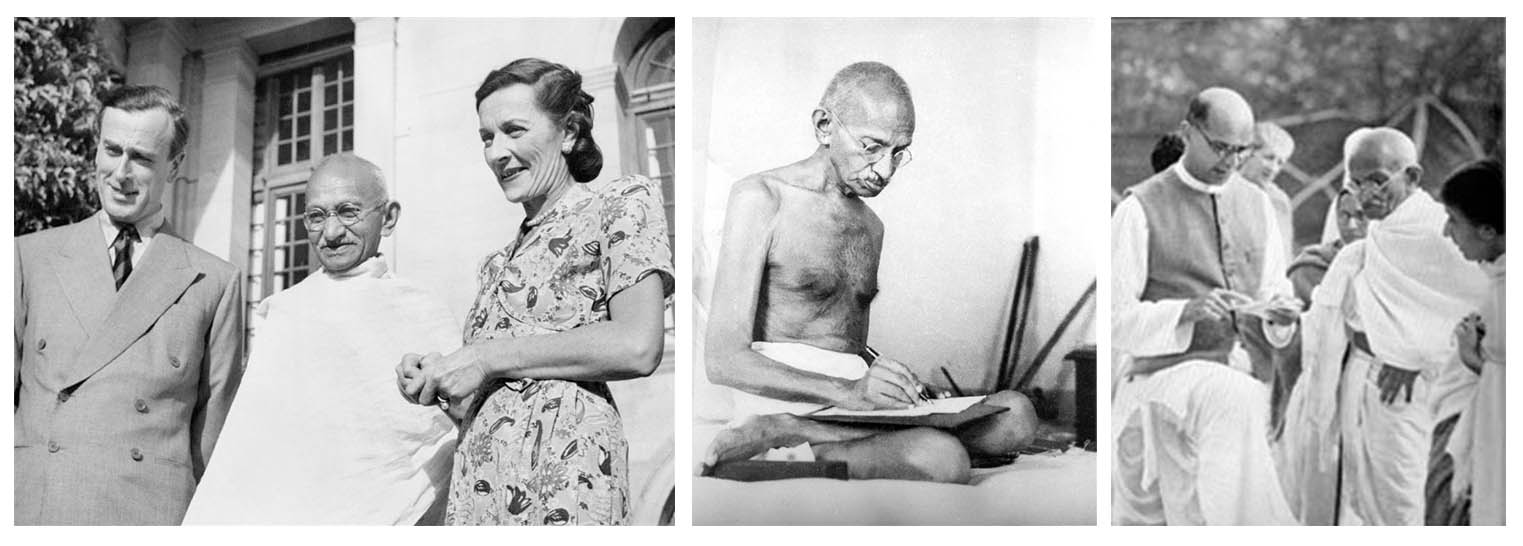
Mahatma Gandhi, the leader of the Indian independence movement, did not attend the celebrations on August 15, 1947. He was in Kolkata (then Calcutta) to quell communal violence between Hindus and Muslims.
6. Transfer of Power
Lord Louis Mountbatten, the last Viceroy of India, played a significant role in facilitating the transfer of power from British rule to independent India. He continued to serve as the Governor-General of India until June 1948..
7. 21-Gun Salute
A 21-gun salute is traditionally given on Independence Day to honor the Indian flag. The salute symbolizes the highest respect and is performed by the Indian Army's artillery batteries.
8. Public Celebrations
Independence Day is celebrated throughout India with great enthusiasm. The Prime Minister of India raises the national flag at the Red Fort in Delhi and delivers a speech. Flag hoisting ceremonies, cultural programs, parades, and patriotic songs are organized in schools, colleges, and public places across the country..
9. Historic Significance
India's independence from British rule not only marked the end of colonialism but also inspired many other nations in their fight for independence. It is seen as a turning point in the history of India and a significant milestone in the struggle for freedom. .
10. National Holiday
Independence Day is a national holiday in India. It is a day of remembrance, pride, and celebration of the country's rich cultural heritage, diversity, and achievements. .
The walls of your home have incredible potential to be transformed into captivating works of art. By exploring various interior wall decoration ideas like gallery wall displays, statement wallpapers, textured finishes, wall murals, and shelving units, you can infuse your living spaces with personality and charm. Remember to strike a balance between functionality and aesthetics while aligning your choices with your personal style. Get creative, experiment, and let your walls speak volumes about your unique taste and creativity.
More Articles



Follow Us :



DECLARATION: Please note that the information provided in this blog is intended for general informational purposes only. While we strive to provide accurate and up-to-date information, we cannot guarantee the accuracy or completeness of the information, and we do not assume any legal liability or responsibility for any errors or omissions. Before using any information provided in this blog, we recommend that you independently verify its accuracy and reliability through additional sources.